
The month is over. Sales were solid, the P&L shows a profit, and there is nothing to be terribly wrong.
Check the bank account of the restaurant.
The number isn’t what you’d expect.
Restaurant owners might be dissatisfied with this since they believe cash flow and profits should be identical. The two don’t line together. A P&L measures the performance of the business’s finances over a certain period of time, while accounts in banks show the actual timing of money moving into and out of the company.
Knowing the differences can allow owners to change their views on the restaurant’s finances.
Imagine what happens on the typical week. Customers pay for food. Employees must be paid. You will receive invoices with food and beverage deliveries. Rent is due. The time of credit card deposits is different. Taxes on sales have been collected, however that money comes with an obligation.
Already the shopping spree for next week have started.
When you look only at revenue or the number of dollars earned at the end, it is easy to miss a lots of activities.
Prime Cost Could Hold the Key to the Solution
The cost of food, drinks and labour costs are worth a closer look when restaurant profitability starts to decline.
Cost of sales combined with labor is the main cost. Bookkeeping Chef’s supplied guidance places the cost of goods sold at 60% to 65 percent of the total revenue for many restaurants, while emphasizing daily monitoring, rather than waiting until the closing of the month.
Effective prime cost management is less about obsessing over a single percentage and more about noticing movement early.
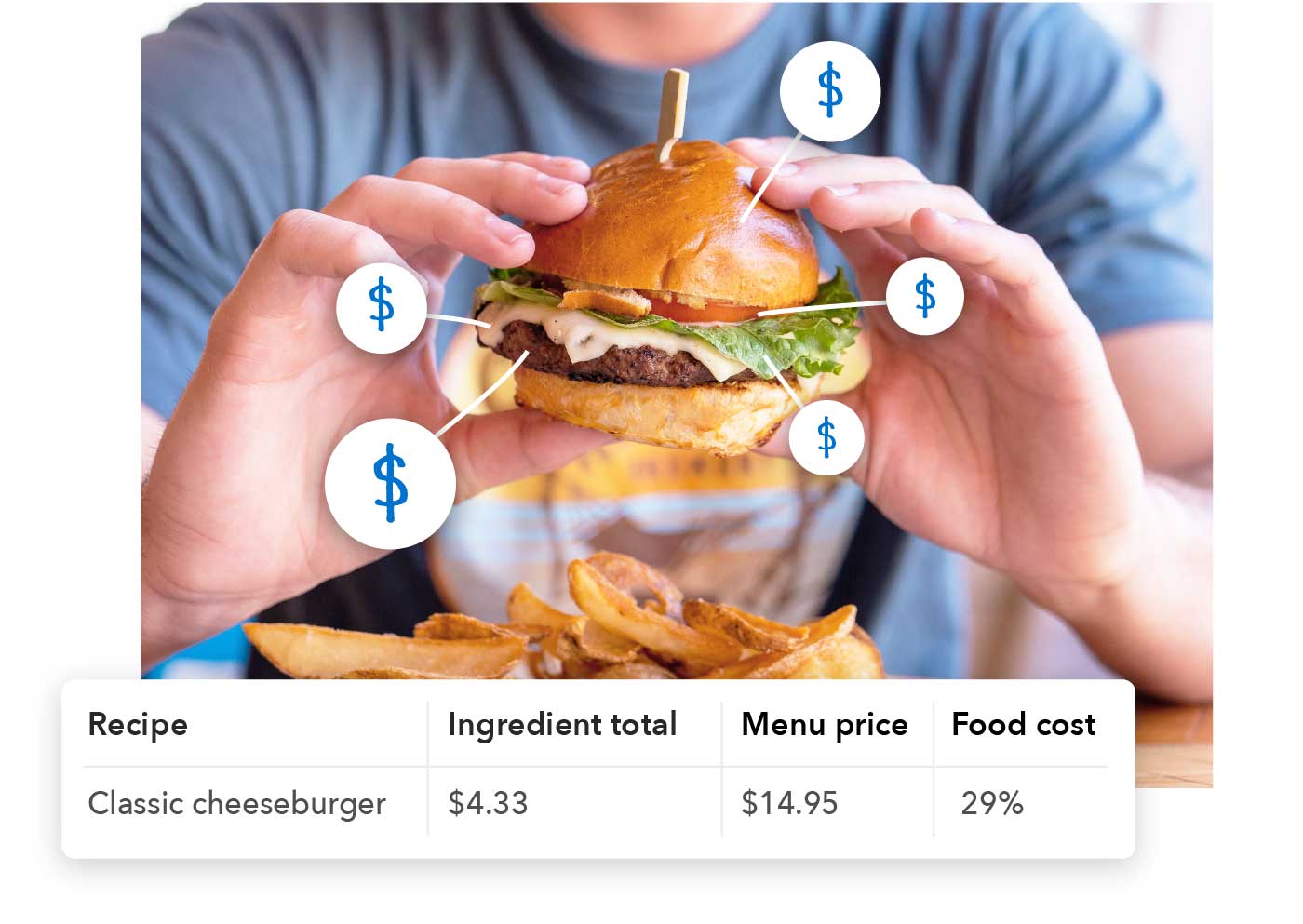
Let’s say that typically, the restaurant does well, but this week, it’s an increase in percentage. Perhaps overtime was also increased. Maybe the costs for beverages were stable while food costs grew. An increase in the percentage of food consumed might prompt the operator to look at purchasing, waste management, portions and menus, or even vendor invoices.
The percentage raises the question. The answer lies in the activities in restaurants.
This is possible due to the fact that everyone is able to recall the details of what transpired.
The details are much harder to recall the next day or two.
The Vendor Bills are then delivered.
Restaurants may buy ingredients the week before and pay for them next week. This explains the reason why profit alone isn’t enough to answer all cash questions.
Vendor invoices should be received, recorded as well as tracked until they are paid. In a busy operation with multiple suppliers, managing that by hand can be an administrative burden.
Accounts payable automation helps organize the process, reducing the need to handle bills in a repetitive manner and payment details. Bookkeeping systems that are connected to accounting systems can provide owners with a clear view of their obligations, even if they haven’t yet been paid.
This is beneficial, as the bank’s balance could appear to be healthier than the restaurant’s actual situation in the near future.
In the present, there could be an amount of $80,000 in the account. The $80,000 amount is little if rent, vendors, or payroll will take up a large portion over the next few days.
Cash flow forecasting is a natural result.
The most appropriate question to ask is “What will happen to our funds after we receive it and have fulfilled the obligations that we know?”
It is crucial to understand the difference when deciding if this week is the best opportunity to replace equipment, buy additional products, or conserve liquid funds.
You might not have been eligible for all the money you believed.
The sales tax illustrates this especially well.
The cash restaurant owners receive from customers will eventually need to be handled in line of its tax obligations. If those funds are placed in the same category as operating money, the bank’s balance may create a false sense of what’s in the bank to spend.
A consistent record-keeping system helps restaurants to comply with the sales tax laws, while providing a complete overview of their financial standing.
This is one reason why restaurant accounting can be more effective in situations where financial responsibility isn’t seen as separate entities.
Prime cost affects margin. COGS (cost of goods sold) and future payments are impacted through purchases made by vendors. Payroll affects the percentage of labor and cash. Cash flow is impacted by sales tax. P&Ls are used to record financial performance. Forecasting is also helpful for managers.
The pieces link.
Bookkeeping Chef utilizes restaurant-specific reporting and system integrations that help put all the pieces together. Outsourced bookkeeping services that are specifically tailored to your needs can be a good option for owners who aren’t able to reconcile their financial data. They will take care of a lot of the accounting duties without taking the owner away from financial discussions.
This last aspect is crucial.
The aim isn’t to get restaurant owners to not look at their accounts because someone else handles them. It’s crucial that the owners get information so they understand what’s happening.
If the P&L shows that the establishment is earning money but the bank balance feels too tight, don’t think that the P&L is not accurate.
What transpired between the two?
This question will teach you much more about the restaurant than a single number could by itself.