
It’s not that hard for a pump station’s stoppage in functioning for it to become troublesome. The pump station may be able of moving stormwater or wastewater every day however, it may struggle when demand is high, require more frequent maintenance or depend on control systems that are hard to maintain. While the equipment remains operational, its original design might not be suited to the present conditions.
It is vital to recognize this distinction for municipalities, developers and facility managers in planning improvements to infrastructure.
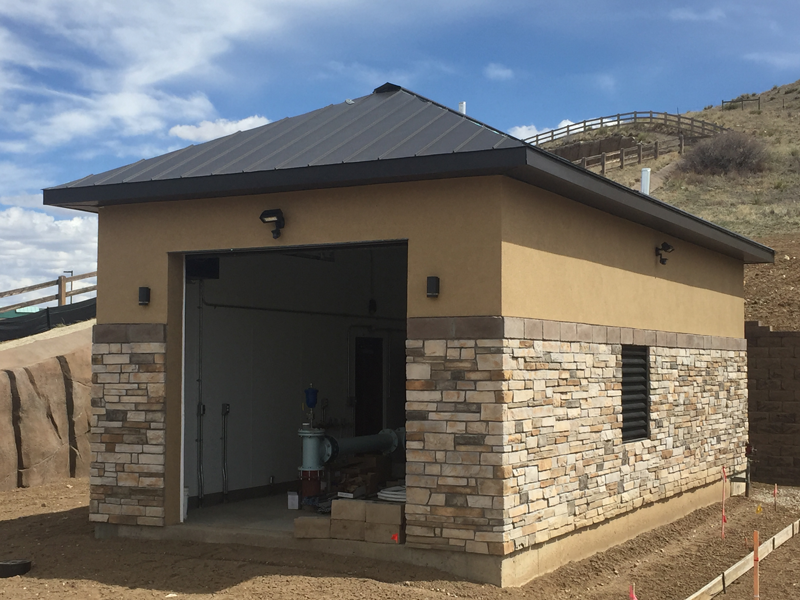
Image credit: romtecutilities.com
The Equipment that Fails isn’t the only issue
Retrofitting a wastewater lift station should begin with an assessment of the entire system and not just the pump that is failing. Engineers should evaluate the wetwell as well as mechanical equipment as well as electrical components, drainage pipes, controls, current pumping requirements, and control systems.
It is essential to be aware of the state of the wet well. If its structure remains sound and in good condition, it could be feasible to keep it in place while replacing outdated equipment. It is less costly to construct the new station than you were to keep the existing one. Retaining existing infrastructure only makes sense when it is in line with the planned improvements.
The service area has changed.
The wastewater station that was constructed many years ago can be used to supply many more households, businesses and industrial activities.
These modifications can affect flow rates and operational demands. Lift station rehabilitation requires more than just restoring original equipment specifications. Engineers should assess potential and current flows as well as the equipment’s capacity and dependability.
The solution is not always to get a larger pump. The new equipment must work with the existing piping system as well as wet wells, electric supply, controls etc. When one part is upgraded, this can lead to problems with other components.
Stormwater retrofits may have different priorities
Retrofitting an existing pumping station for stormwater may bring additional issues due to the fact that runoff is affected by surrounding development and rain. The inflow pattern of an area that has a detention area may be different than if it receives water directly through the storm drain. The amount of runoff that gets to the station could be affected by new pavements and parking spaces, or altered drainage infrastructure.
Before recommending a stormwater station upgrade, engineers should review the contributing drainage area, expected peak flows, storage capacity, discharge conditions, and existing pump performance.
These findings help determine whether the modernization of equipment is sufficient or if the station needs greater reconstruction.
Plan Construction Before Interrupting Service
How the station will function in the event of rehabilitation is a concern that is often overlooked. The wastewater systems are generally not able to be removed without a plan for continuous flow management.
Construction may include installing temporary bypass pumps, or the replacement of infrastructure near the station operating.
Stormwater projects also require a careful planning since the system might require maintenance during rain events that are unexpected. An engineering strategy that is comprehensive should address installation sequencing the temporary operation, installation integration, and commissioning, not only the replacement parts.
The finished System is more user-friendly
Romtec Utilities is a provider of site-specific engineering, supply and solutions for wastewater and Stormwater Pumping Applications.
The company’s retrofit strategy identifies the mechanical, structural, electrical, and communication components can remain and which require replacement. The company also offers initial plans and estimates for budgets for owners to evaluate their project possibilities.
Following installation, tests for startup, commissioning and operator training are important to ensure that the newly renovated station operates in accordance with its specifications. Operators must be able to manage and comprehend the system following the successful rehabilitation.
Upgrade Your System and Not Just the Age
A pump station that’s older may not need to be completely replaced. Some structures may have years of useful service remaining, even when their mechanical and electrical equipment requires modernization. The most important thing to consider is the things that can be kept safely and economically while ensuring the final station can meet both current as well as future needs.
Through analyzing the general structure and operating conditions along with the requirements for hydraulics and construction constraints, owners can to make better-informed decisions.
The aim in upgrading an older station is not to simply make it work again. It’s about making sure that the upgraded system is prepared to handle the challenges ahead.