
Every nightclub must be equipped with bartenders trained and have written alcohol policies. Also, they should have a knowledgeable manager for every shift. The security measures may appear like a peace of mind when they’re included in an employee’s manual.
But imagine a packed Saturday night when several bartenders are serving the same patrons or a floor manager dealing with a disturbance, and customers are ordering rounds at different places. Who is accountable for recognizing that a person shouldn’t receive alcohol?
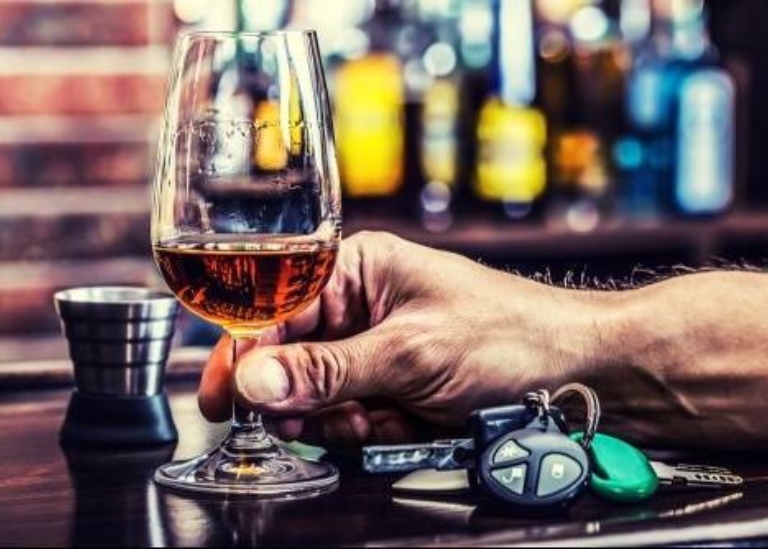
This type of question could reveal more in a dram store lawsuit than just finding out how many drinks have been sold.
Overservice Investigations Begin With What Staff members might see
Dram Shop expert witnesses will examine whether the alcohol service decision-making of employees was in accordance with industry standards and the circumstances.
The fact that a customer may be drunk does alone prove that a bartender was aware of visible warning signs throughout service. The investigation should consider the manner in which the customer behaved and the time of service, observations by staff, and available evidence.
Surveillance video can reveal an inability to walk, strange movements, or interactions with employees. Witness statements can provide additional information, but their recollections could differ. The key distinction is what the investigators learn following an incident, and what personnel could reasonably be aware of at the time.
One Tab isn’t a necessity. One Drinker
Records of sales at the point of sale are helpful however, understanding them requires hospitality experience. A customer might purchase several rounds of drinks for their buddies. A bottle-service transaction could include multiple customers. Separate bartenders may handle orders without knowing what an employee has previously done.
Alcohol experts are able to look at the timings of transactions, alcohol consumption as well as video surveillance and records of staffing to develop a comprehensive timeline.
This analysis may reveal moments when employees were able intervene or realize that they were intoxicated. This analysis can also be used to identify situations where the evidence is not sufficient to determine who consumed certain drinks.
Training is Important Only Once It is completed on the floor.
The certifications of employees are vital but they’re not enough to define how a facility worked during a specific shift.
An investigation may consider whether training was on-point, whether employees were aware of the procedures to intervene, and whether managers reinforced the company’s policies.
Preston Rideout brings approximately three decades of hospitality operations experience to this work, including bartending, nightclub management, and beverage-program consulting.
Professionally, his credentials show that he has 112 seller-server certifications covering 48 states in addition to the District of Columbia.
The combination of both permits him to examine the level of training employees received as well as their operational choices. A bartender, for example, may recognize an issue but do might not know how to get in touch with management or record a refusal of service. Therefore, it is important to consider the supervisor’s ability to supervise.
The Insurance Investigation May Ask Similar Questions
A expert witness in Liquor Liability frequently examines the same operational issues for insurers, coverage counsel as well as defense attorneys. While the language used may differ, the underlying investigation concerns alcohol service and staff conduct.
A thorough review could comprise incident reports, written policy documents videos, written policies employees’ schedules, certificates, documents, and deposition evidence. The responsibility of the expert is not to be a force for the person who is retaining the expert. It is to explain what the evidence supports, identify relevant industry practices, and acknowledge meaningful limitations.
The Experience of the past explains the reasoning that led to the records
Rideout has served as an alcohol service witness and hospitality cases across eleven states. He has worked as a witness for plaintiffs as well as defense attorneys.
His study focuses on bars nightclubs, restaurants resorts, casinos and other hospitality establishments where alcohol service is part of daily operations. Every setting presents its own distinct management structures and supervisory problems.
A bartender serving a small dining area in a restaurant may be able to observe customers than employees at a busy nightclub’s service station. Knowing the differences can help you place evidence in its proper context.
A Credible Opinion Can’t Fill gaps with assumptions.
Dram shop laws vary by the jurisdiction and expert testimony is not to be confused with a legal determination of responsibility. The most accurate analysis will reveal the actions of employees and what recognized practices were in place, and which conclusions are reasonable on the basis of the evidence.
Sometimes, the records show deviations from standard procedures. In other cases, they reveal that employees followed proper procedures or left important questions unanswered.
For attorneys evaluating alcohol-related claims this distinction is critical. A good expert opinion does more than merely describe the situation. It helps the court understand the decisions made within the establishment prior to knowing the outcome of the night.